
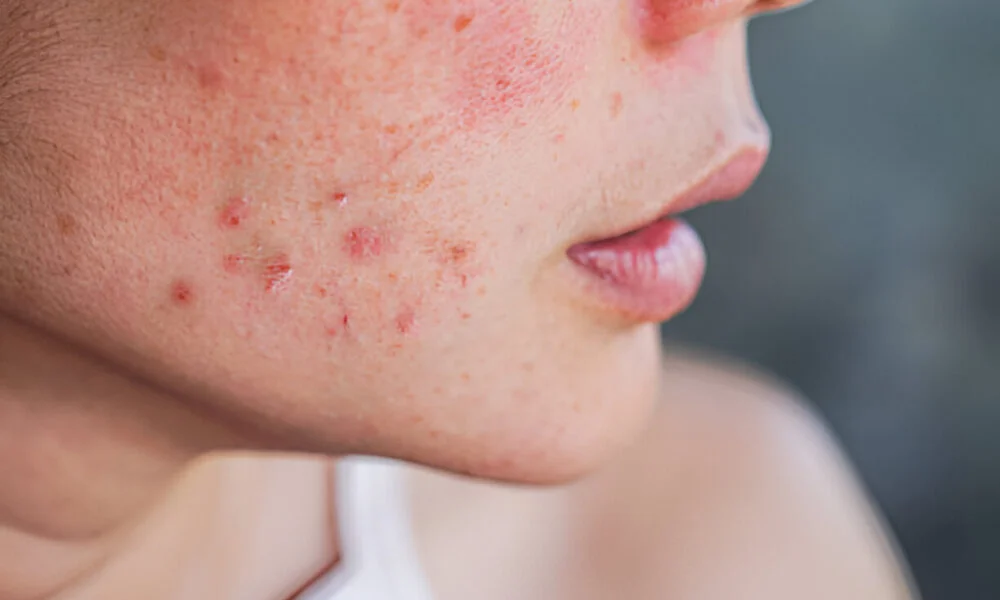
When a breakout becomes red, swollen or painful, it is easy to assume inflammation appeared after the pimple formed. In reality, inflammation can begin much earlier in the acne process. Changes in sebum, skin cell turnover, the follicular environment and immune signalling can all interact before a breakout is visible. For people dealing with persistent adult or hormonal acne, working with a naturopath for acne may also help explore whether broader hormonal, nutritional or lifestyle patterns are relevant to their individual skin.
Understanding inflammation matters because acne is rarely just a case of having “dirty” skin or too much oil. It is a complex inflammatory condition involving the pilosebaceous unit, which includes the hair follicle and sebaceous gland.
Key Takeaways
- Acne inflammation can begin before a visible pimple forms because changes inside the follicle start early.
- Breakouts are influenced by sebum, blocked follicles, C. acnes, immune activity and skin barrier health.
- Hormones, stress, sleep and diet can affect acne patterns but the triggers vary from person to person.
- Persistent or painful acne may need deeper investigation with support from a naturopath, doctor or dermatologist.
🌿 What Does Skin Inflammation Actually Mean?
Inflammation is part of the body’s normal immune response. In the skin, immune cells release signalling molecules when they detect changes that may require a response. This can contribute to redness, swelling, tenderness and warmth.
With acne, however, inflammation is not limited to the large red pimples we can see. Research examining acne-prone skin has found inflammatory activity around very early acne lesions, suggesting inflammation can be involved before an obvious pimple develops.
This helps explain why treating only the visible breakout may not address everything happening underneath the surface.
Inflammation Can Start Before You See a Pimple
The earliest acne lesion is known as a microcomedone. It is too small to see with the naked eye but develops when cells inside the follicle begin accumulating abnormally.
As the follicle becomes congested, sebum, skin cells, microorganisms and immune activity can begin interacting. Over time, that microcomedone may develop into a whitehead, blackhead or visibly inflamed lesion.
In other words, the inflammation associated with acne may already be developing before your skin suddenly seems to “break out.”
🌿 How a Breakout Develops Inside the Follicle
A breakout is usually the result of several biological processes occurring together rather than one isolated trigger.
A simplified sequence looks like this:
- Sebaceous glands produce sebum, with hormonal signalling influencing how active those glands are.
- Skin cells inside the follicle shed and accumulate differently, contributing to follicular hyperkeratinisation.
- Sebum and cells build up, creating a microcomedone.
- The environment inside the follicle changes, including interactions with Cutibacterium acnes.
- Immune signalling increases and inflammation develops.
- The lesion may become a blackhead, whitehead, papule, pustule or deeper inflammatory breakout.
This is why simply washing away surface oil does not necessarily prevent acne. Much of the process is happening deeper within the pilosebaceous follicle.
Why Blocked Follicles Become Inflamed
As material builds inside a follicle, the local environment changes. Immune cells can become activated, and inflammatory signalling may increase around the follicular wall.
If inflammation becomes more pronounced, a previously subtle lesion may become red, swollen or tender. Deeper inflammation may result in nodules or cyst-like lesions that take longer to settle.
🌿The Role of Cutibacterium acnes Without Blaming "Bad Bacteria"
Cutibacterium acnes, or C. acnes, is often described as the bacteria that “causes acne.” The reality is more nuanced.
- acnes naturally lives on healthy human skin. Studies have found similar overall levels of the bacterium in people with acne and people without acne, while differences in particular strains or phylotypes have been associated with acne-prone skin.
This means the aim is not necessarily to eliminate every trace of C. acnes. The relationship between the bacterium, the follicular environment and the person’s immune response appears to matter.
Why Microbial Balance Matters
Your skin contains a diverse community of microorganisms collectively known as the skin microbiome. These organisms interact with the skin barrier and immune system.
Research increasingly suggests that changes in the balance between different C. acnes strains may be more relevant to inflammatory acne than simply having the bacteria present.
The skin microbiome should also be considered separately from the digestive microbiome. However, people interested in the broader relationship between digestion, hormones and skin can read more about Sanatio’s approach to the gut skin connection.
🌿 Why Sebum Is Part of the Picture, But Not the Whole Story
Sebum is an oily substance produced by sebaceous glands. It plays a normal role in protecting and lubricating the skin, so oil itself is not inherently “bad.”
In acne-prone skin, increased sebaceous activity can contribute to an environment that favours follicular congestion. Changes in the composition of sebum may also influence inflammatory processes.
This is why aggressively stripping oil from the skin is not necessarily the answer. A person can have oily skin and an irritated, compromised skin barrier at the same time.
Hormones Can Influence Sebaceous Activity
Androgens such as testosterone influence sebaceous gland activity. Increased androgen signalling can increase oil production and contribute to follicular changes associated with acne.
This is particularly relevant for some women with persistent adult acne or conditions such as PCOS. Acne occurring alongside irregular periods, changes in facial or body hair, scalp hair thinning or other hormonal symptoms may warrant further investigation.
However, not every chin or jawline breakout is automatically hormonal. Sanatio’s guide to hormonal acne causes explores how hormones can interact with sebum production and acne patterns in more detail.
🌿 How the Skin Barrier Can Influence How Inflamed Breakouts Feel
The skin barrier, particularly the outer stratum corneum, helps retain moisture while limiting exposure to external irritants.
Research has found differences in barrier measurements such as transepidermal water loss and hydration between acne-prone and healthy skin.
When the barrier is disrupted, skin may feel tight, dry, sensitive, itchy or unusually reactive. Existing acne may also look and feel more inflamed.
When Acne Treatments Become Too Aggressive
Acne can create a strong temptation to exfoliate more, cleanse harder or add another active ingredient. But irritation is not a sign that a product is working better.
Using several strong acids, scrubs, retinoids or drying products at once can increase irritation in some people. Picking at peeling skin or repeatedly switching products may make it even harder to understand which part of the routine is helping.
Supporting acne-prone skin often means finding a balance between addressing congestion and maintaining a comfortable skin barrier.
🌿 Why Some Breakouts Become Red, Painful or Deep
Not every acne lesion looks the same.
A blackhead or closed comedone may appear relatively calm on the surface, while inflammatory lesions can become red, swollen and tender. Papules are raised inflammatory bumps, while pustules contain visible fluid or pus.
Papules and Pustules
Papules and pustules generally involve more obvious inflammatory activity than comedones. They may feel tender and can remain visible after the initial swelling settles.
Even lesions traditionally classified as “non-inflammatory” may still have inflammatory processes occurring at a microscopic level. This is another reason inflammation should be viewed as part of the wider acne process rather than something that begins only when a lesion turns red.
Nodules and Cystic Breakouts
Deeper inflammatory breakouts involve tissue further below the skin’s surface. These lesions can feel painful and often take longer to resolve.
Because deeper inflammation can cause more tissue disruption, moderate to severe nodular acne also carries a greater concern for persistent marks and scarring. Anyone experiencing painful, rapidly worsening or scarring acne should seek appropriate healthcare advice rather than relying only on home treatments.
🌿 Hormones and Inflammation Can Interact /b>
Hormonal acne is sometimes described too simply as “high hormones causing pimples.” The relationship is more complex.
Androgen signalling can affect sebaceous glands, oil production and follicular behaviour. Metabolic signals such as insulin and insulin-like growth factor 1, or IGF-1, may also influence pathways relevant to acne.
For some women, this creates a recognisable pattern around the menstrual cycle or alongside PCOS. For others, hormone levels may not be the dominant contributor.
The important point is that hormones can influence the environment in which inflammatory acne develops, rather than directly explaining every inflamed breakout.
🌿 Can Food Affect Inflammatory Breakouts?
Diet is another area where acne advice can quickly become overly restrictive.
Studies have found that lower glycaemic-load dietary patterns may improve acne outcomes in some groups, suggesting that blood glucose and insulin-related signalling may be relevant for certain people.
That does not mean eating one sweet food will immediately create a breakout. Acne develops over time, and diet is only one potential contributor.
Look at Patterns Instead of Blaming Individual Foods
Rather than removing multiple foods at once, it is often more useful to look at overall patterns. Consider the regularity of meals, fibre intake, protein, fruits and vegetables, highly refined carbohydrates and whether particular foods genuinely correlate with changes in your skin.
Dairy has also been investigated in relation to acne, but individual responses vary. Restrictive diets should not be assumed necessary simply because someone has acne.
🌿 Stress, Sleep and Skin Inflammation
Many people notice their skin becomes more reactive during periods of significant stress or poor sleep.
Stress can influence behaviour, sleep quality, skincare habits and skin picking, while also interacting with neuroendocrine and immune pathways. That does not mean every stressful week will cause acne, but stress may be one factor that worsens an existing tendency to break out.
Looking at stress and sleep is therefore less about blaming cortisol and more about understanding the context in which flare-ups occur.
🌿 Why Picking and Squeezing Can Make Inflammation Last Longer
It can be difficult to leave a painful or visible breakout alone, but squeezing and repeatedly touching lesions can increase tissue irritation.
Picking may damage the surrounding skin and prolong redness. It can also contribute to post-inflammatory hyperpigmentation, persistent red marks and scarring, particularly when deeper lesions are manipulated.
A gentler approach generally gives the skin a better opportunity to resolve the inflammatory response without additional trauma.
🌿 Why "Anti-Inflammatory" Skincare Alone May Not Be Enough
Calming products can be useful when skin feels red or irritated, but persistent acne may involve more than surface inflammation.
If breakouts continue despite a carefully chosen skincare routine, it may be worth looking at the wider pattern rather than continually adding stronger products.
Look at the Full Acne Pattern
Useful questions include:
- Where do the breakouts appear, and are they consistently in the same areas?
- Do they change across the menstrual cycle?
- Is the skin oily, dry, sensitive or easily irritated?
- Are there symptoms that could warrant discussion with a healthcare practitioner, such as irregular periods or significant digestive concerns?
- What skincare, medications and supplements are currently being used?
- Have stress, sleep or lifestyle patterns changed alongside the skin?
No single answer proves what is driving acne, but the overall picture can guide more appropriate investigation.
✨Calmer Skin Starts With Understanding the Inflammatory Pattern ✨
Skin inflammation and breakouts are closely connected because inflammation can be involved from the earliest stages of acne development. Sebum, follicular blockage, C. acnes, the skin microbiome, immune signalling and barrier health can all interact before a visible pimple appears.
Hormones, skincare, stress, diet and other health factors may then influence that acne-prone environment differently from person to person.
Instead of chasing every new breakout with another harsh product or restrictive diet, it can be more useful to look at the overall pattern. If persistent acne seems connected with hormonal, digestive, nutritional or lifestyle concerns, a naturopath for acne can help explore those factors as part of a personalised approach, alongside appropriate medical and dermatological care where needed.