Hormones are chemical messengers that influence your menstrual cycle, metabolism, energy, mood, sleep and skin. Producing and regulating them requires more than one “hormone-balancing” food or supplement. Your body needs sufficient energy, protein, fats, vitamins and minerals working together.
For women experiencing acne, irregular periods, fatigue or hair changes, personalised women’s hormones support can help explore whether nutrition is one part of a wider health picture.
Key Takeaways
- Natural hormone production depends on enough protein, healthy fats, vitamins and minerals working together rather than one single “hormone balancing” food.
Key nutrients like iodine, selenium, iron, zinc, magnesium, vitamin B6 and vitamin D support thyroid function, energy, skin health and reproductive processes.
Symptoms like acne, fatigue, irregular periods and hair changes may relate to many causes so testing is better than guessing with supplements.
Personalised women’s hormones support can help identify dietary gaps, review pathology and create a safer nutrition plan for long term hormone health.
🌿 How Does the Body Produce Hormones?
Hormones are made by glands and organs within the endocrine system, including the thyroid, ovaries, adrenal glands, pancreas, pituitary gland and hypothalamus. Each hormone follows its own production pathway.
Steroid hormones such as oestrogen, progesterone, testosterone and cortisol are made from cholesterol. Peptide hormones, including insulin, are built from amino acids. Thyroid hormones require tyrosine and iodine, while several vitamins and minerals act as cofactors for enzymes involved in hormone synthesis and conversion.
Hormone health also depends on release, transport, receptor activity and clearance. One nutrient rarely addresses every factor behind acne, cycle changes or fatigue.
🌿 Protein Provides Amino Acids for Hormone Synthesis
Protein supplies amino acids used to build peptide hormones, enzymes and signalling molecules. Tyrosine is involved in producing thyroid hormones and catecholamines such as adrenaline and noradrenaline. Tryptophan is used to produce serotonin, which sits within the pathway that creates melatonin.
These pathways are carefully regulated, so one amino-acid-rich food will not immediately change hormone levels.
Useful protein sources include eggs, fish, poultry, meat, dairy foods, tofu, tempeh, legumes, nuts and seeds. Women following vegetarian or vegan diets can meet their needs, but variety and planning matter. Sanatio’s guide to key nutrients for women offers additional considerations for plant-based eating.
🌿Dietary Fats and Cholesterol Support Steroid Hormones
Cholesterol is the starting material used to create steroid hormones, including oestrogen, progesterone, testosterone and cortisol. The body also produces cholesterol itself, so this is not a reason to deliberately eat excessive amounts.
A balanced intake of dietary fats supports normal physiological function. Extra virgin olive oil, avocado, nuts, seeds, eggs and oily fish provide useful fats and help the body absorb fat-soluble vitamins.
Extremely restrictive eating, chronic under-fuelling or very low-fat diets may affect reproductive and metabolic function in some people. Irregular periods or low hormone levels have many possible causes, so diet must be considered within the wider health picture.
🌿 Iodine Is Essential for Thyroid Hormone Production
Iodine is a structural component of thyroxine, or T4, and triiodothyronine, or T3. These thyroid hormones influence metabolism, growth and cellular function. The body cannot make iodine, so it must come from food or supplements.
Food sources include iodised salt, seafood, eggs and dairy products. Seaweed can also contain iodine, but concentrations vary widely.
More iodine is not automatically better. Both insufficient and excessive intake may affect thyroid function, particularly in people with an existing thyroid condition. High-dose iodine should not be added simply because someone feels tired or suspects a “slow” thyroid. Those symptoms require appropriate assessment.
🌿 Selenium Supports Thyroid Hormone Conversion
Selenium is incorporated into selenoproteins, including enzymes that regulate the activation and inactivation of thyroid hormones. Other selenium-dependent proteins help protect cells from oxidative damage.
Sources include seafood, meat, poultry, eggs and some grains. Brazil nuts are often promoted for thyroid health, but their selenium content can vary widely, so they should not be treated as a precise daily dose.
Excessive selenium supplementation may be harmful. Diet, existing supplements, thyroid history and individual requirements should be considered before using a concentrated product.
🌿 Iron Supports Oxygen Transport and Cellular Function
Iron is best known for its role in haemoglobin and oxygen transport, but it also supports cellular energy and enzyme-dependent processes. Women with heavy menstrual bleeding may be more vulnerable to low iron stores, although diet, absorption, pregnancy and other health factors also matter.
Persistent fatigue, reduced exercise tolerance, shortness of breath or increased hair shedding may justify further assessment. Because these symptoms are not specific, iron studies and ferritin are more useful than guessing.
Haem iron is found in meat, poultry and seafood. Non-haem sources include legumes, tofu, leafy greens and fortified foods. Pairing plant-based iron with vitamin C-rich foods can improve absorption. Supplements should generally be used when there is an identified need because excessive iron can also cause harm.
🌿 Zinc Supports Enzymes, Reproduction and Skin Health
Zinc is involved in hundreds of enzyme reactions, protein synthesis, cell signalling, immune function, wound healing and reproductive processes. It is relevant to women’s health and skin function, but it is not a stand-alone cure for hormonal acne or cycle concerns.
Oysters are particularly rich in zinc. Other sources include meat, poultry, dairy foods, legumes, nuts, seeds and whole grains. Plant-based zinc is generally less readily absorbed because phytates can bind the mineral.
Before taking zinc for hormones, consider your dietary intake and existing supplements. Long-term high-dose zinc can interfere with copper status, making individualised dosing more appropriate than adding it automatically to every hormone routine.
🌿 Magnesium and Vitamin B6 Act as Metabolic Cofactors
Magnesium and vitamin B6 are often marketed for stress, PMS and hormonal health, but their roles are broader.
Magnesium participates in hundreds of enzyme systems supporting energy production, protein synthesis, nerve and muscle function, and blood glucose regulation. It is found in leafy greens, legumes, nuts, seeds and whole grains.
Vitamin B6 is required for more than 100 enzyme reactions, many involving protein metabolism. Its active form also participates in neurotransmitter pathways. Sources include fish, poultry, chickpeas, potatoes and bananas.
Different magnesium supplements have different properties. This guide to magnesium for hormone health explains why the form, dose and reason for use matter. High supplemental doses of vitamin B6 also require caution because prolonged excessive intake can damage nerves.
🌿 Vitamin D Acts More Like a Hormone
The body can produce vitamin D in the skin after ultraviolet exposure, and its active form works through receptors throughout the body. Its established roles include calcium regulation, bone mineralisation and cellular signalling.
Sources include sensible sun exposure, oily fish, egg yolks and fortified foods. Supplements may be appropriate when testing identifies low status or a healthcare professional recommends them.
Vitamin D is often promoted for PCOS/PMOS, fertility, acne and menstrual regulation. These relationships are still being studied, so supplementation is not a guaranteed way to balance hormones. Testing can be more useful than choosing a dose from symptoms alone.
🌿 Build a Food-First Foundation
Hormone pathways rely on nutrients working together. A food-first approach provides protein, fats, carbohydrates, vitamins, minerals and fibre in combinations isolated supplements cannot fully reproduce.
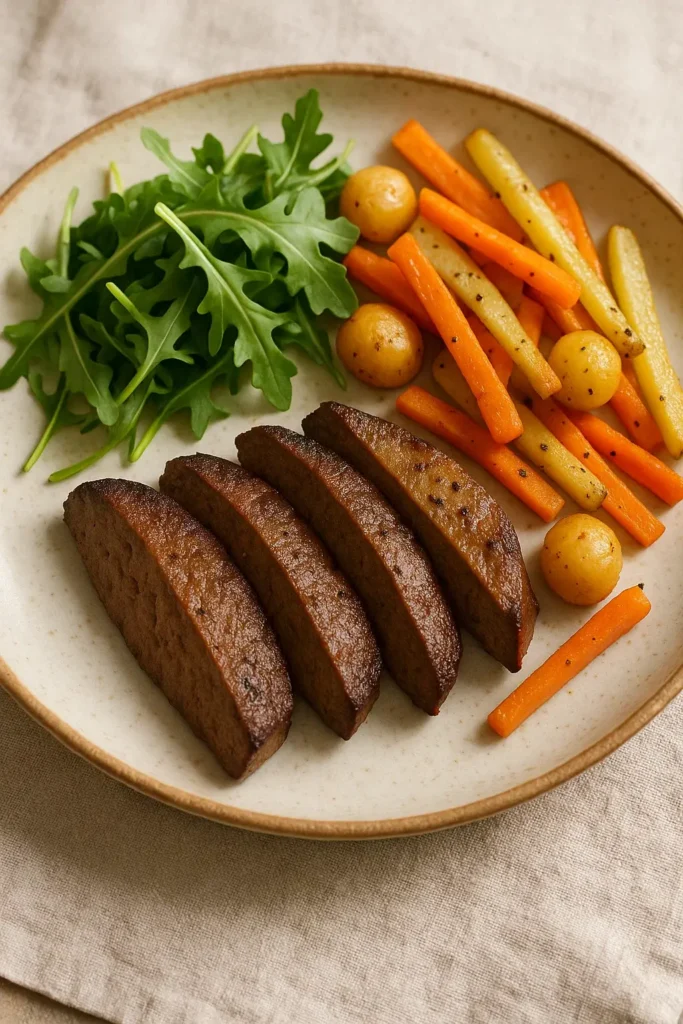
A practical meal may include:
- A protein source such as eggs, fish, chicken, tofu, tempeh or legumes
- Colourful vegetables or fruit
- A fibre-rich carbohydrate such as oats, brown rice, quinoa or potato
- A source of fat such as olive oil, avocado, nuts or seeds
The aim is regular nourishment, adequate energy and variety across the week. Digestive concerns, allergies, restrictive diets, appetite changes and medications may affect what someone eats or absorbs, so a generic plan will not suit everyone.
🌿 Can Nutrient Deficiencies Cause Hormonal Symptoms
Nutrient inadequacy can affect normal physiological processes, but acne, irregular periods, fatigue and hair loss are not proof of a deficiency.
Similar symptoms may be associated with:
- PCOS/PMOS, thyroid conditions or perimenopause
- Heavy menstrual bleeding, pregnancy or inadequate energy intake
- Insulin resistance, digestive conditions or medication effects
- Chronic stress, disrupted sleep or other medical concerns
Symptom-based supplement shopping can lead to overlapping doses while the actual cause remains unaddressed.
🌿 When Should You Consider Nutrient Testing?
Testing is most useful when selected according to symptoms, diet, health history and risk factors. Depending on the individual, a practitioner or GP may consider iron studies, ferritin, thyroid markers, vitamin D or broader blood pathology.
A laboratory result should be reviewed alongside menstrual history, medications, supplement use, digestive health and eating patterns. Not every nutrient has a reliable or routinely useful blood test, and more testing does not always create more clarity.
Supplements can be valuable when a deficiency, increased need or dietary gap has been identified. They should complement rather than replace a nutrient-dense diet and appropriate medical care.
✨Support Natural Hormone Production With Personalised Nutrition ✨
Protein, dietary fats, iodine, selenium, iron, zinc, magnesium, vitamin B6 and vitamin D contribute to hormone synthesis, metabolism or wider endocrine function. The goal is not to consume as much of each nutrient as possible. It is to meet your individual needs without creating new imbalances through unnecessary supplementation.
If you experience persistent acne, irregular or painful periods, fatigue, hair changes or thyroid-related concerns, Sanatio’s personalised women’s hormones support considers your diet, symptoms, medical history, pathology and wider health picture. This can help identify practical food priorities and determine whether targeted testing or supplementation may be appropriate.